 Blog
BlogWriting
Blog 04
There and Back Again
A short story about my battle with Lyme Disease.
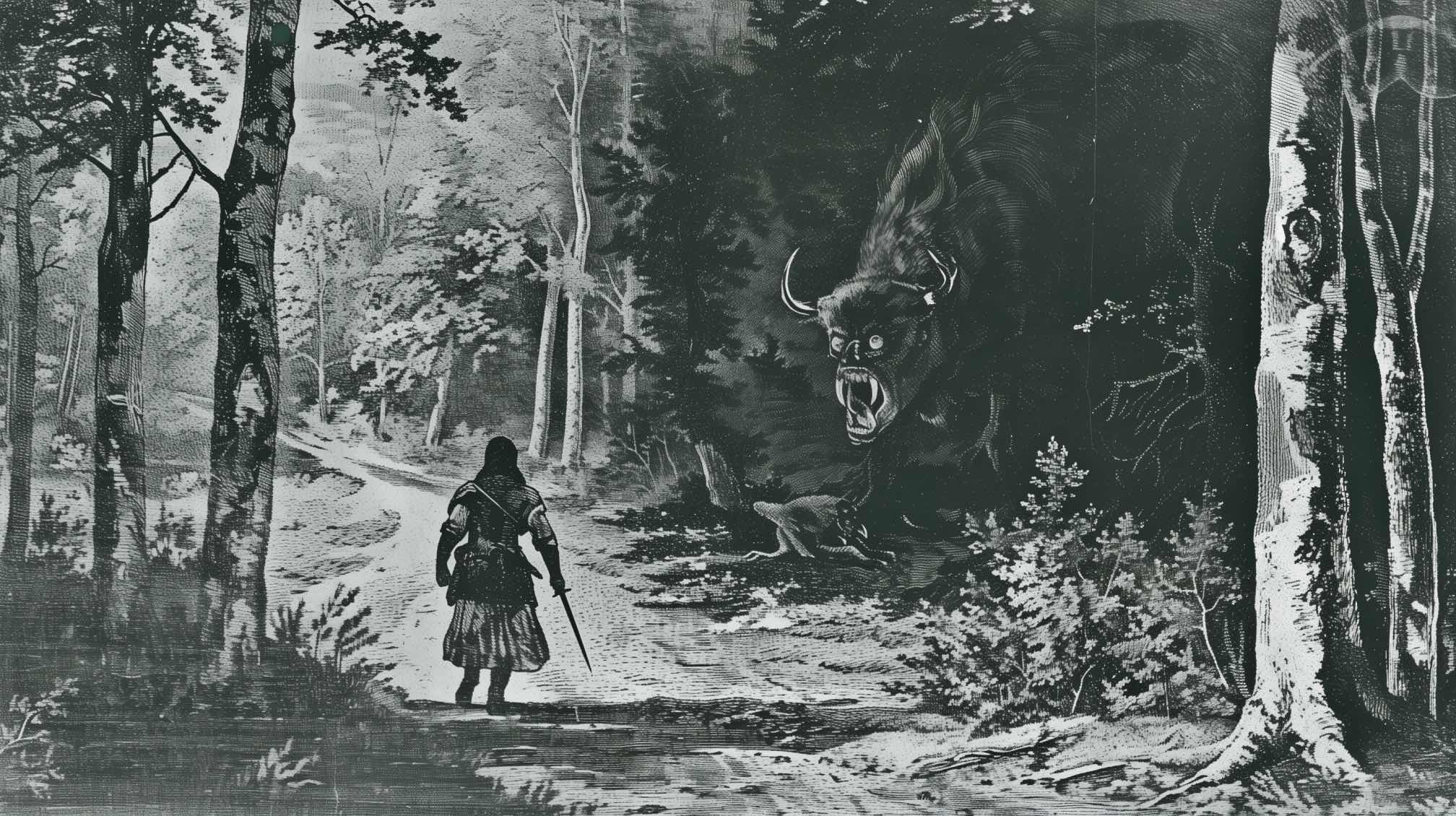
This could happen to anyone. It happened to me.
Let me set the scene - I was an active person. If I had a few hours after work, I'd go surfing. I've always lived within 5 minutes of a break for this reason. If I had a weekend or vacation, I'd be in the mountains, usually the Sierras.
For work, I've always been in solutions architect or sales engineer roles. I like it - flexible, high risk/high reward, constant learning. I was doing well at Nutanix when things started to change.
That was mid-2020. I was healthy, career was going well. Then my health started to decline. At first just an inconvenience, but within 18 months it had escalated into something severe. I worked with specialists, tried to push through. Nothing helped. By early 2022, I could no longer work.
It felt as if every joint and muscle in my body was sprained all at once. I could not move. If I moved even slightly, I felt intense stabbing pain. If I didn't move, a terrible aching would build up after a few minutes, finally forcing me to move. I felt like I was trapped in an iron maiden, the infamous medieval torture device, basically a coffin filled with inward facing nails, designed to prevent sleep or movement and slowly bleed the victim over weeks.
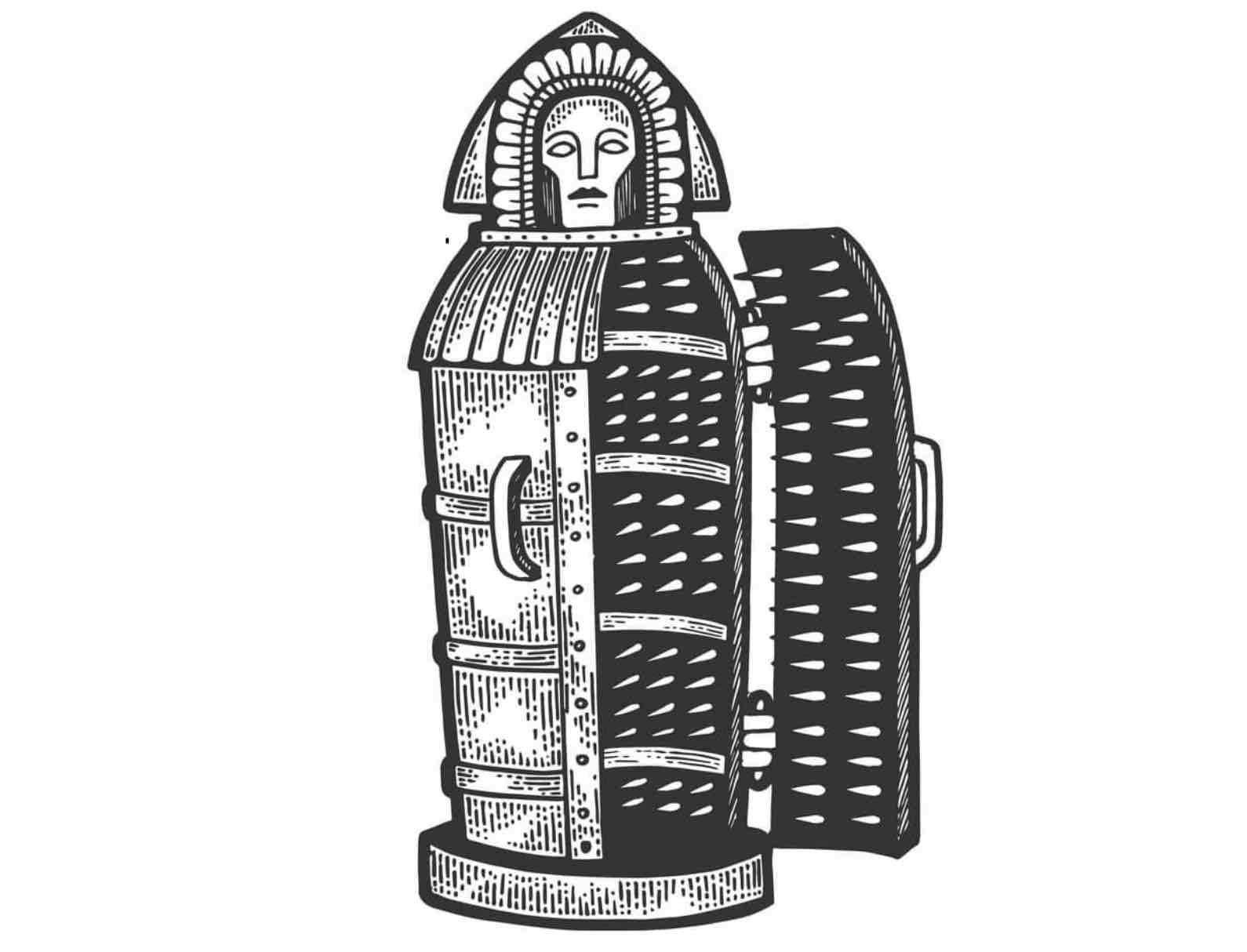
Illustration of an iron maiden from the middle ages
And then the root cause diagnosis finally came: Chronic Lyme disease.
I knew nothing about Lyme Disease, only that it was a scary, crippling, mystery illness. I heard there was no cure or effective treatment. I don't even know how I got it. I spent a lot of time in the mountains, and increasingly ticks in California are becoming carriers of Lyme, so I assume thats how. As I learned more about the disease and what the blood work showed it was doing to me, the outlook became more and more grim. This was not going to be a 3-6 month episode. This could be an ender.
So... what would you do?
Despite this, somehow I didn't waste much time feeling sorry for myself. I had this prevailing, perhaps delusional thought: "I have been solving difficult problems all my life at work, that is literally my job. How about I just do that here and see what happens."
At the very least, I was gonna go down swinging. There really was no other choice, I could either let this wicked disease end my life as I know it, or I could go all-in trying to fight it. I focused on the positive - at least now I have a diagnosis.
Unable to even type on my phone by this point, I learned how to control my ipad with voice commands. I then launched into my usual "solutions methodology". First, educate myself, then consult with available experts, devise a plan, then iterate until the issue is resolved. I read everything I could about Lyme, books, articles, online communities-I left no stone unturned. I reached out to a number of people who had beaten it and got their advice. Most of this info was somewhere between depressing and terrifying, but I kept going, pushing further into the abyss. I consulted with numerous specialists and then crafted a treatment plan so intense it became a full-time job in itself.
The treatment was grueling. For almost a year, despite my perseverance things actually got worse. When Lyme bacteria die, their bodies release a poison that triggers severe inflammation, amplifying auto-immune symptoms and causing a delightful "Cascading Cytokine Storm". An ingenious evolved defense mechanism. I often wondered if this inspired the movie Alien. In the movie, the alien's blood is pure acid, which makes it tricky to kill without killing yourself in the process.

What it feels like inside your blood, aliens spewing acid everywhere.
Psychological Effects
The most fun part of all this? As you suffer, you can't tell if what you are doing is making the Lyme infection worse or better, because the result is the same.
An infamous form of psychological torture used in war leverages this exact condition to break people. The technique is to create an environment where the victim feels they have no control and cannot predict if their actions help or worsen their suffering. Its this relentless uncertainty that erodes your sense of agency and eventually triggers a complete mental breakdown. This is why many people with Chronic Lyme Disease give up.
For me, life in the iron maiden went on like this for over half a year. Exhaustion is too tiny a word to describe the feeling. Intense 24/7 pain kept me unable to move and unable to sleep almost perpetually. I doubted my diagnosis, my treatment, everything. The temptation to give up was constant. But I stayed on course, meticulously tracking any kind of progress, focusing on what I could control, iterating on what worked and what didn't. I helplessly watched as my body withered away. It didn't even seem like mine anymore.
Engineering A Way Out
But somehow my resolve didn't wear out. It wasn't hope that kept me going. I actually did not feel hope at all. It was more curiosity, there was always something else to try. When Chatgpt came out in 2022, it amplified that curiosity even more. I made a custom version of it called LymeGPT which I trained on my accumulated library of Lyme Disease knowledge. I then used this to research and recommend novel treatment ideas, which I then took to my doctor to validate.
After about a year, the Lyme infection finally began to decline. I was then faced with the aftermath of out of control auto-immune responses. This included many delightful complications but the worst was extensive tissue, joint, and muscle damage caused by months of nuclear-fire level inflammation. The worst was over, but a new battle began. I ramped up to 4-5 hours daily of physical therapies. I sourced advanced medical equipment to aid my recovery.
As my body slowly healed, my mind remained sharp and curious. During this time the Generative AI boom was just starting to take off. I transformed this health misfortune into an opportunity. I leveled up my knowledge in this field, dusting off my python and coding skills and diving deep into AI and ML. Not yet able to work full time, I found a way to consult part time on AI projects. I did what I could, and I was thankful to be contributing again. Gradually, I ramped up my work load until I was back to full-time as a consultant.
I'm back. There's probably a version of me that would have broken under this - most people would have, and I wouldn't blame them. What got me through wasn't hope or willpower. It was treating recovery like a problem to solve, staying curious about what else I could try, and refusing to let uncertainty paralyze me. The disease wanted me to give up. I didn't.
One thing I'd pass on: maintain a positive bias. Not optimism exactly - more like an orientation toward opportunity, toward approach instead of avoidance. It's not just psychological. That stance produces different chemistry in your brain, better conditions for solving problems. And if there's no solution to be found, at least you'll know you left nothing on the table.