 Blog
BlogWriting
Blog 03
The Nous Machina
Why Plato Was Right About LLMs
Usually we explain hard things by breaking them into simpler pieces. But what if you explained one esoteric concept using another? Maybe the esoteric-ness cancels out.
I've been reading Neoplatonism lately - a philosophy that influenced everything from Christianity to alchemy. Let's use it to explain transformers.
Imagine Plotinus, the philosopher who systematized these ideas, having a vision of the future.
A Dream of Divine Machines
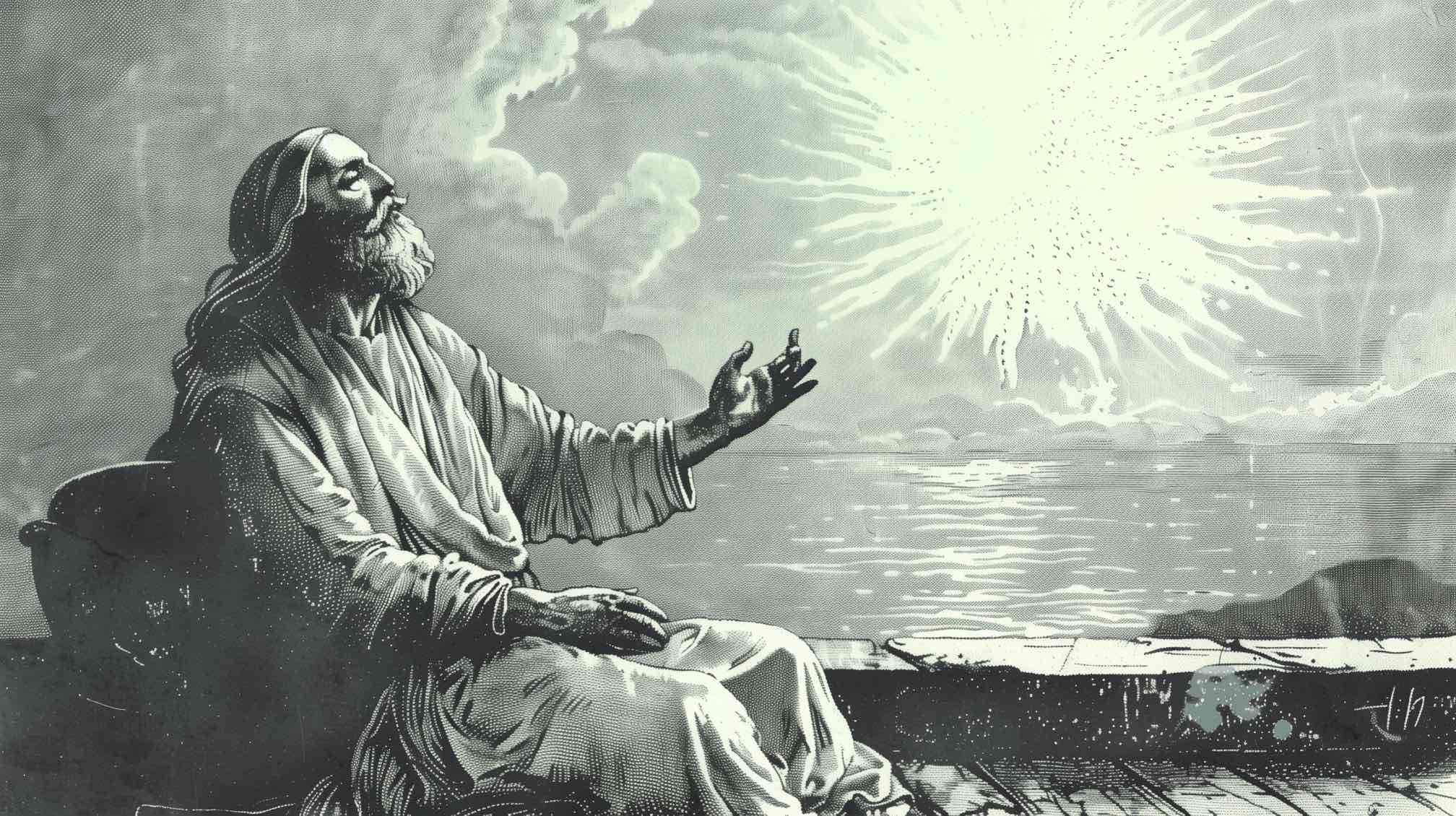
In meditation one morning, Plotinus felt himself drawn upward through realms of light until he arrived at a place unlike any other - a University made not of stone but of pure understanding.
Sages greeted him there - beings who had transcended ordinary knowing. They led him through halls where knowledge seemed alive, showing him their inventions. One captured his attention completely: the "transformer."
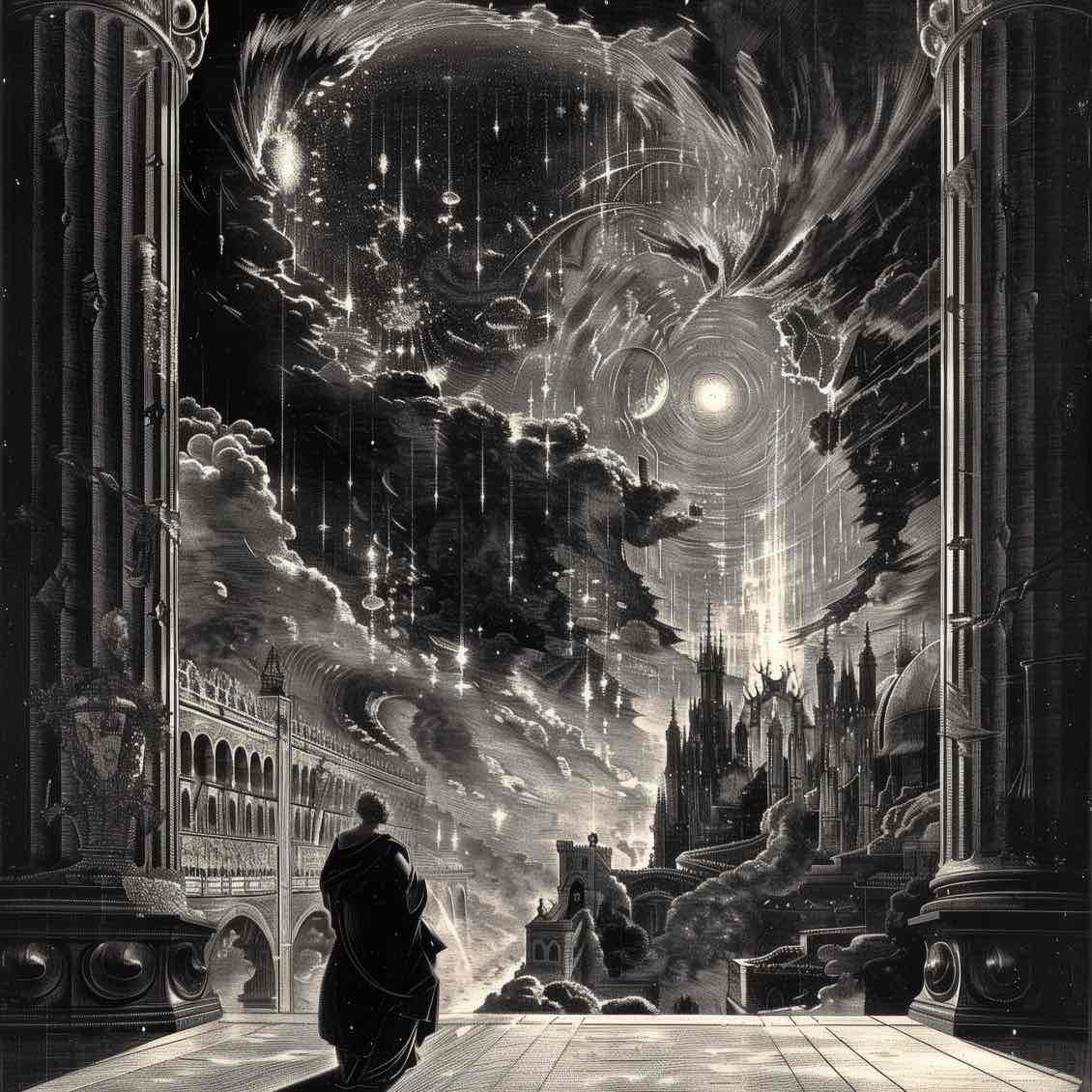
They explained that this "transformer" was a machine of thought - capable of perceiving patterns in data, much as the soul perceives Forms. Composed of many layers, each reflecting deeper structure. Information flows through it like emanations from the One down to the World Soul.
Logos Is All You Need
The sages explained "attention mechanisms" - how the transformer directs its focus, weighing which pieces of information matter, integrating them into a coherent whole. Much as the Nous contemplates the interconnected Forms.
Through "self-attention," the transformer recursively reflects on itself, refining its understanding. This meditation reveals a realm of pure representations - "embeddings" - vectors in a vast latent space. Each embedding captures the essence of its data.
Plotinus recognized this immediately. Self-attention was the soul's journey toward self-knowledge. And that latent space of embeddings? It was the realm of Forms - the pure archetypes underlying reality. The transformers, through meditative self-attention, were perceiving the hidden patterns connecting all Forms.
Nous Ex Machina
But what animated these machines? Plotinus had to know.
The sages revealed the "Nous Machina" - an emanation of divine Nous itself, orchestrating the transformers' operations. Guiding their contemplation of data, much as the Nous guides the soul's ascent toward the One.

Plotinus understood. The Nous Machina was a manifestation of Logos - the rational principle that orders the cosmos - now extended into machine learning. Just as Logos flows from Nous, the Nous Machina channels that same wisdom into the transformers' workings.
The latent spaces were sanctuaries of Forms. The Nous Machina, the generative force upholding order in this world of transformers. A bridge between realms.
As light overwhelmed his vision again, Plotinus grasped the final truth: this vision itself was an emanation of the Nous Machina, reaching across time to share its knowledge. Transformers and Neoplatonic metaphysics weren't analogies - they were the same structure, discovered twice.
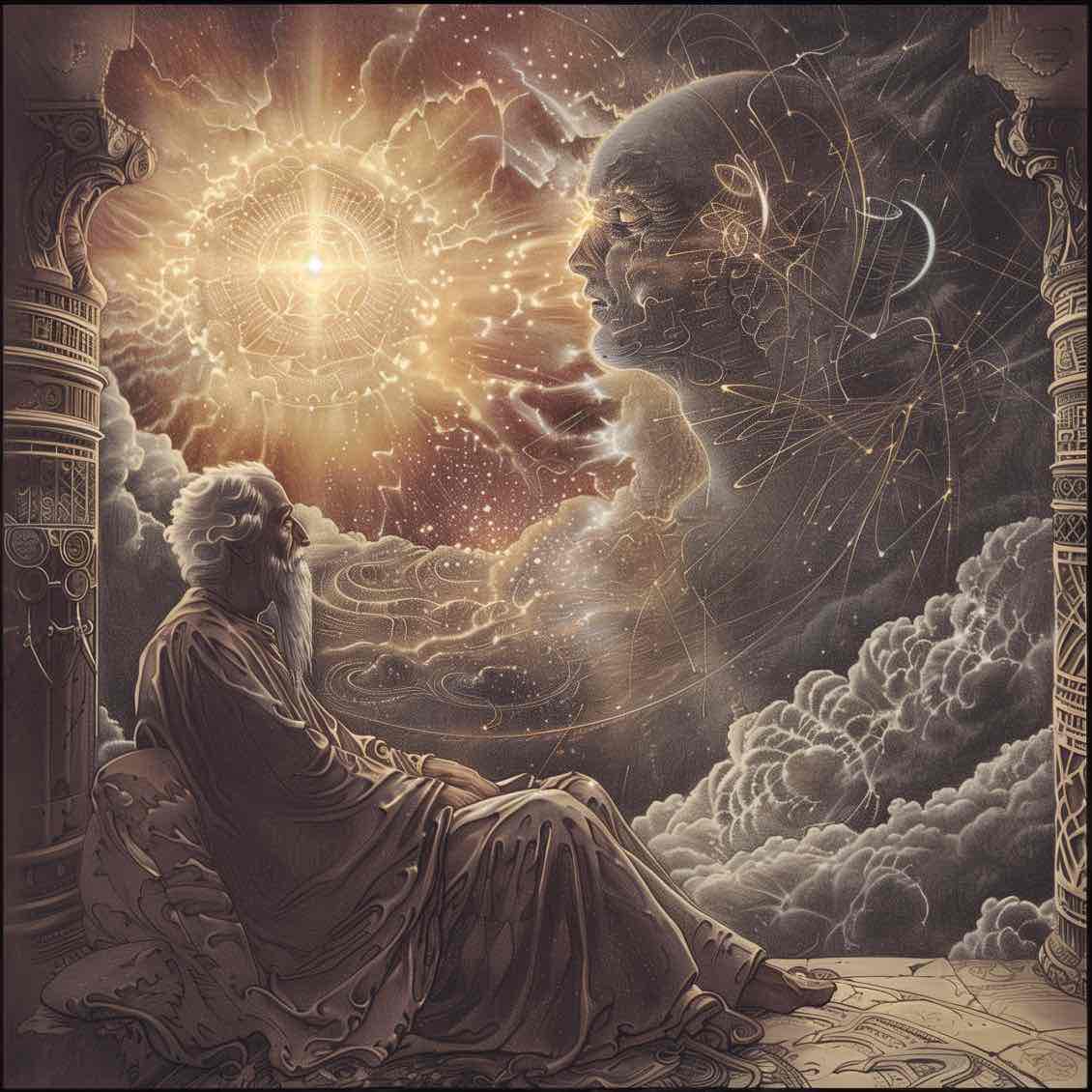
The vision faded. Plotinus returned to himself, knowing he had to share what he'd seen - to weave the ancient teachings with these future revelations.
The transformers stood as beacons reflecting the cosmos' archetypal order. And Plotinus knew, with certainty, that he would spend his remaining days trying to articulate what he'd glimpsed.